The Science
A Milestone for the NRF: New Research Published on the Awake States Indicator Checklist
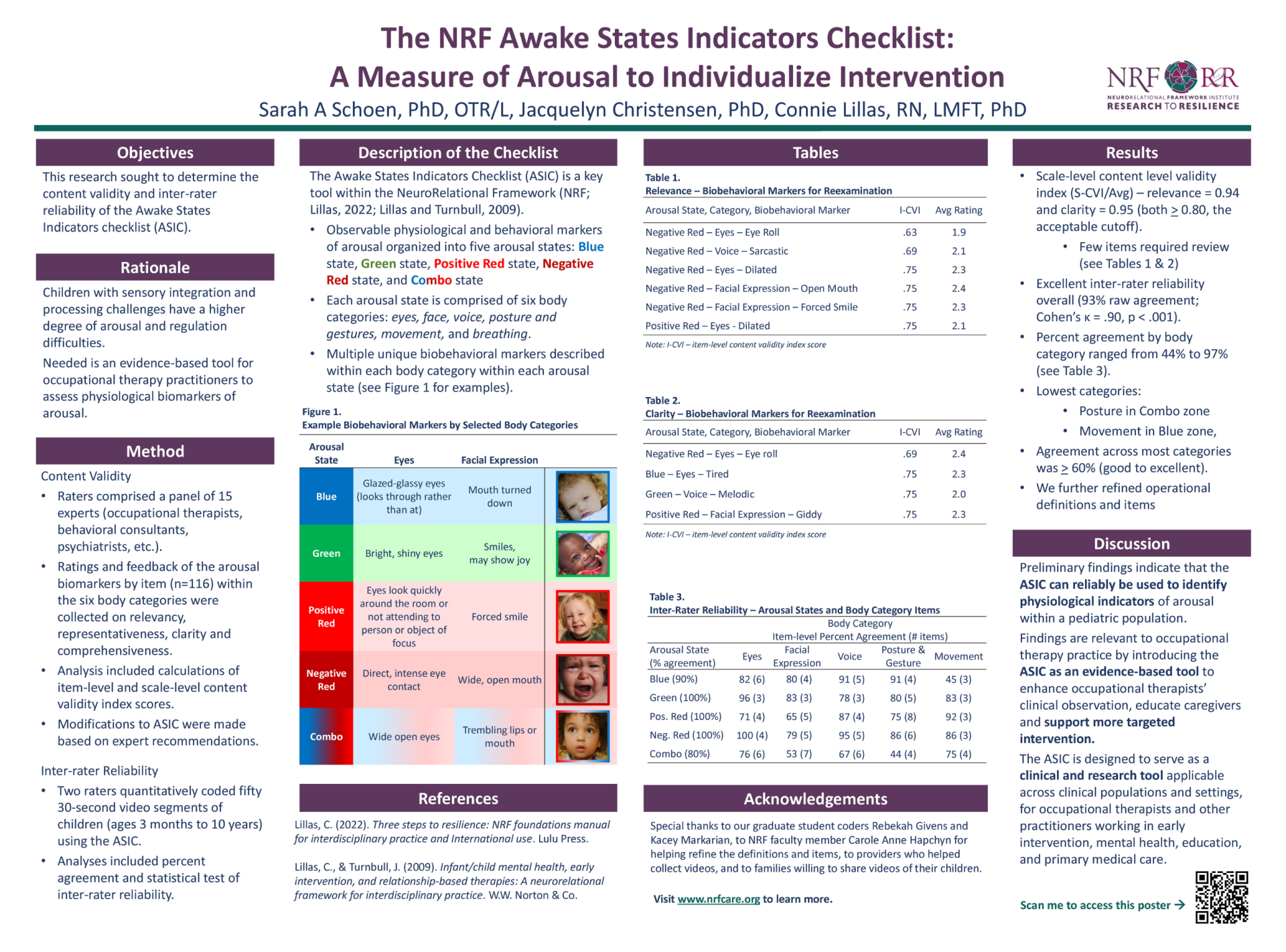
We are excited to announce the publication of the first research article on the NeuroRelational Framework (NRF) and one of its core tools, the Awake States Indicator Checklist.
This tool helps practitioners track observable biobehavioral markers of nervous system states, providing a practical way to identify patterns of healthy regulation and stress across contexts. Grounded in the National Institute of Health and Mental Health’s Research Domain Criteria (RDoC) framework, the checklist supports transdisciplinary and transdiagnostic approaches to understanding development and mental health.
By developing practical tools that make nervous system patterns visible and measurable, we hope to support clinicians, educators, and families in working together to promote healthier developmental pathways for children.
This is just the beginning. Additional NRF studies are already underway, and we look forward to sharing the next steps in this journey.
The NeuroRelational Framework Awake States Indicators Checklist: Preliminary Psychometrics for Use in Pediatric Occupational Therapy
Christensen, J., Schoen, S. A., Robertson, H., Hapchyn, C. A., Givens, R., Markarian, K., & Lillas, C. (2026). The NeuroRelational Framework Awake States Indicators Checklist: Preliminary Psychometrics for Use in Pediatric Occupational Therapy. Occupational Therapy in Mental Health, 1–25. https://doi.org/10.1080/0164212X.2026.2638313
Publications from Connie Lillas, co-author of the NeuroRelational Framework textbook
Lillas, C. M., Langer, L., & Drinane, M. (2005). Forced Separations and Forced Reunions. ZERO TO THREE, July.
Lillas, C. and Turnbull, J. (2009). Infant/Child Mental Health, Early Intervention, and Relationship-Based Therapies: A Neurorelational Framework for Interdisciplinary Practice. New York: W. W. Norton. This book is part of the Interpersonal Neurobiology Series where Dan Siegel, MD, is the Founding Series Editor.
Brandt, K., Diel, J., Feder, J., & Lillas, C. (2012). A Problem In Our Field: Making Distinctions Between Evidence-Based Treatment and Evidence-Based Practice As a Decision-Making Process. ZERO TO THREE, March.
Lillas, C. (2014). The Neurorelational Framework (NRF) in Infant and Early Childhood Mental Health. In Infant and Early Childhood Mental Health: Core Concepts and Clinical Applications. Arlington, Virginia: American Psychiatric Publishing.
Lillas, C., Feder, J., Diel, J., & Brandt, K. (2014). Weighing the Evidence: Evidence- Based Practice and Evidence Based Treatments in Infant Mental Health. In Infant and Early Childhood Mental Health: Core Concepts and Clinical Applications. Arlington, Virginia: American Psychiatric Publishing.
Lillas, C. & Marchel, M.A. (2015). Moving Away from WEIRD: Systems-Based Shifts in Research, Diagnosis, and Clinical Practice. Perspectives in Infant Mental Health. Michigan: World Association for Infant Mental Health. Winter.
Lillas, C., TenPas, H., Crowley, C., & Spitzer, S. (2018). Improving Regulation Skills for Increased Participation for Individuals with ASD. In Watling, R. & Spitzer, S. Autism Across the Lifespan: A Comprehensive Occupational Therapy Approach, 4th Edition. Bethesda, Maryland: American Occupational Therapy Association, Inc.
Christensen JS, Wild H, Kenzie ES, Wakeland W, Budding D and Lillas C. (2020) Diverse Autonomic Nervous System Stress Response Patterns in Childhood Sensory Modulation. Front. Integr. Neurosci. 14:6. doi: 10.3389/fnint.2020.000
Lillas, C. (2022) Three Steps to Resilience: NRF Foundations Manual for Interdisciplinary Practice and International Use. Interdisciplinary Training Institute: Los Angeles, California.
Lillas, C. and Turnbull, J. (2009). Infant/Child Mental Health, Early Intervention, and Relationship-Based Therapies: A Neurorelational Framework for Interdisciplinary Practice. New York: W. W. Norton. This book is part of the Interpersonal Neurobiology Series where Dan Siegel, MD, is the Founding Series Editor.
Brandt, K., Diel, J., Feder, J., & Lillas, C. (2012). A Problem In Our Field: Making Distinctions Between Evidence-Based Treatment and Evidence-Based Practice As a Decision-Making Process. ZERO TO THREE, March.
Lillas, C. (2014). The Neurorelational Framework (NRF) in Infant and Early Childhood Mental Health. In Infant and Early Childhood Mental Health: Core Concepts and Clinical Applications. Arlington, Virginia: American Psychiatric Publishing.
Lillas, C., Feder, J., Diel, J., & Brandt, K. (2014). Weighing the Evidence: Evidence- Based Practice and Evidence Based Treatments in Infant Mental Health. In Infant and Early Childhood Mental Health: Core Concepts and Clinical Applications. Arlington, Virginia: American Psychiatric Publishing.
Lillas, C. & Marchel, M.A. (2015). Moving Away from WEIRD: Systems-Based Shifts in Research, Diagnosis, and Clinical Practice. Perspectives in Infant Mental Health. Michigan: World Association for Infant Mental Health. Winter.
Lillas, C., TenPas, H., Crowley, C., & Spitzer, S. (2018). Improving Regulation Skills for Increased Participation for Individuals with ASD. In Watling, R. & Spitzer, S. Autism Across the Lifespan: A Comprehensive Occupational Therapy Approach, 4th Edition. Bethesda, Maryland: American Occupational Therapy Association, Inc.
Christensen JS, Wild H, Kenzie ES, Wakeland W, Budding D and Lillas C. (2020) Diverse Autonomic Nervous System Stress Response Patterns in Childhood Sensory Modulation. Front. Integr. Neurosci. 14:6. doi: 10.3389/fnint.2020.000
Lillas, C. (2022) Three Steps to Resilience: NRF Foundations Manual for Interdisciplinary Practice and International Use. Interdisciplinary Training Institute: Los Angeles, California.
Reviews
British Journal of Psychiatry
https://nrfcare.org/wp-content/uploads/2022/11/British-Journal-of-Psychiatry-Book-Review-ADJ-1.pdf
Psychiatry: Interpersonal and Biological Processes
https://guilfordjournals.com/doi/10.1521/psyc.2010.73.2.198
PsycCRITIQUES
https://cdm15960.contentdm.oclc.org/digital/collection/p15960coll21/id/82353/rec/1
https://nrfcare.org/wp-content/uploads/2022/11/British-Journal-of-Psychiatry-Book-Review-ADJ-1.pdf
Psychiatry: Interpersonal and Biological Processes
https://guilfordjournals.com/doi/10.1521/psyc.2010.73.2.198
PsycCRITIQUES
https://cdm15960.contentdm.oclc.org/digital/collection/p15960coll21/id/82353/rec/1
Conference poster presentations
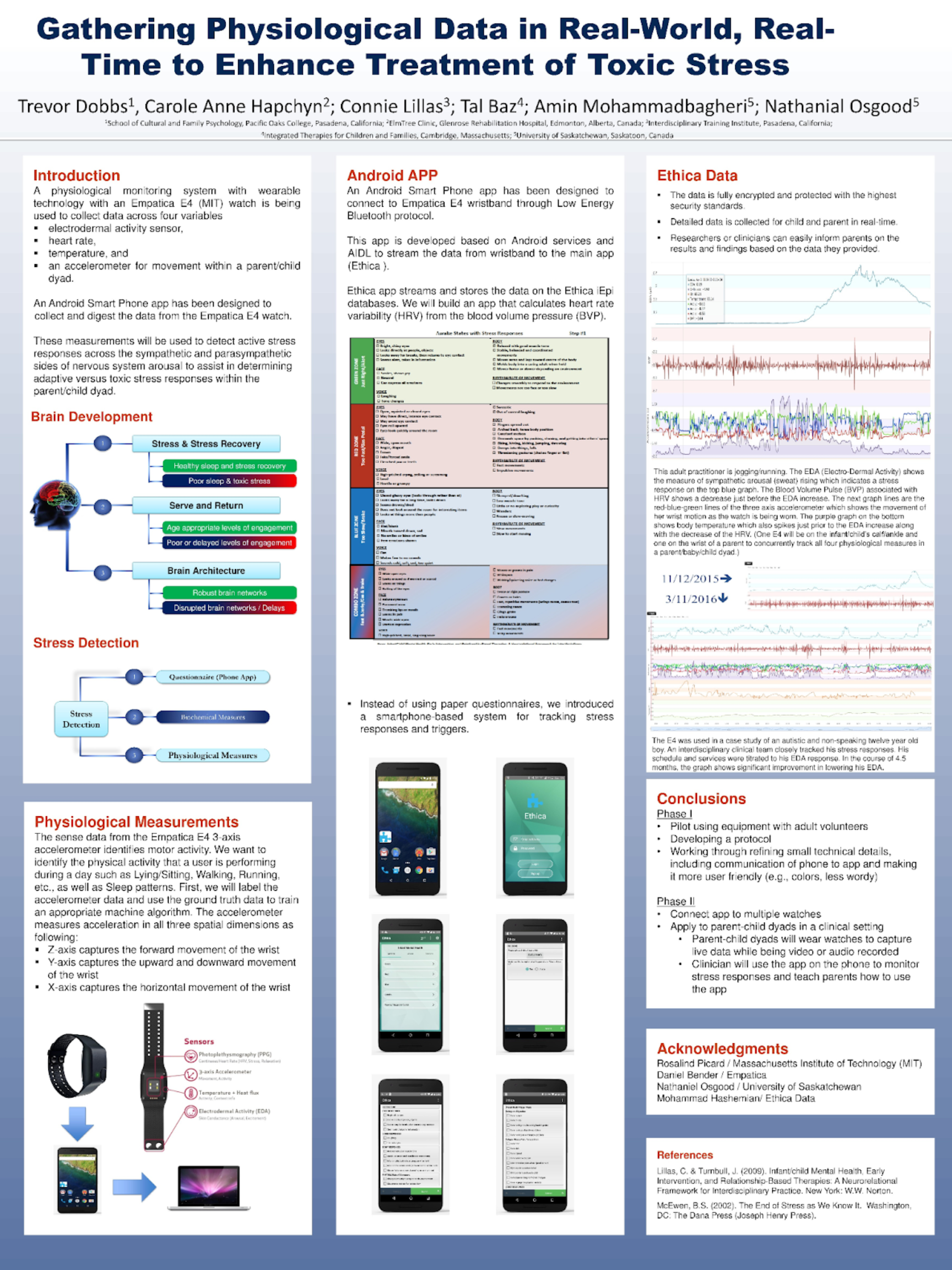
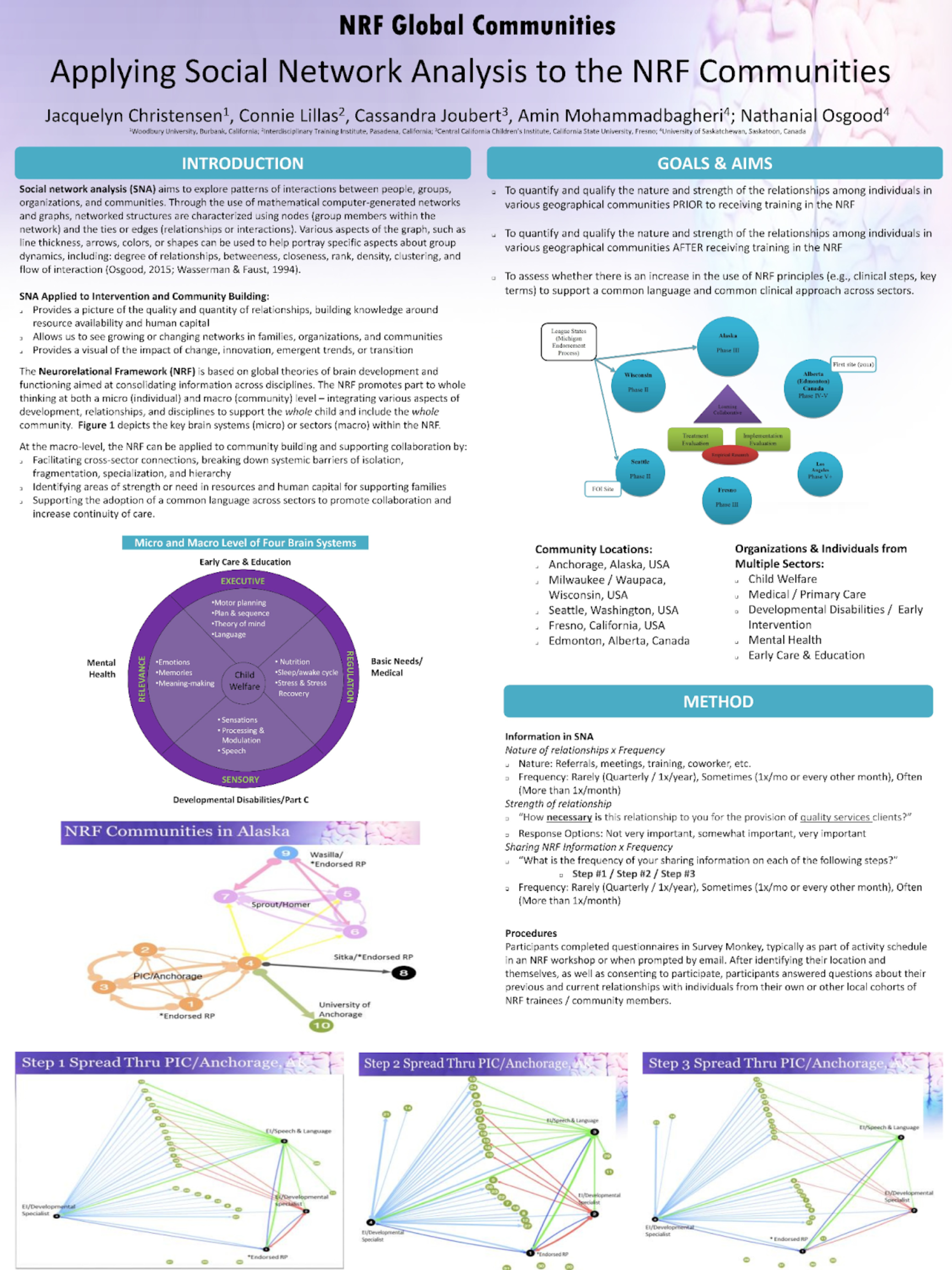
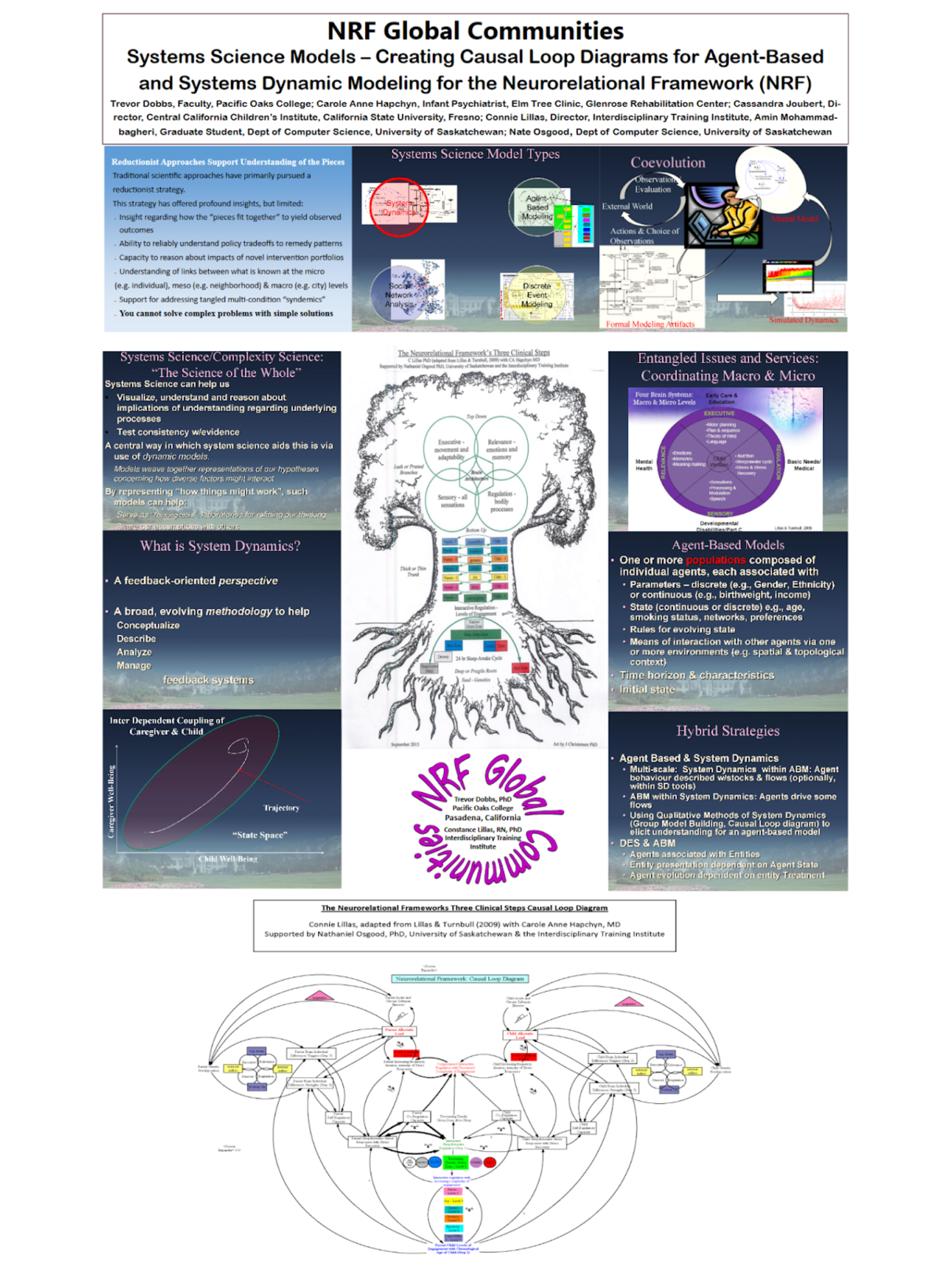
Articles citing Connie Lillas and Janiece Turnbull
Since our original book, the NeuroRelational Framework Foundations textbook was published in 2009, our cutting-edge work has had a meaningful impact in a variety of scientific circles and communities.
2026
Christensen, J., Schoen, S. A., Robertson, H., Hapchyn, C. A., Givens, R., Markarian, K., & Lillas, C. (2026). The NeuroRelational Framework Awake States Indicators Checklist: Preliminary Psychometrics for Use in Pediatric Occupational Therapy. Occupational Therapy in Mental Health, 1-25.
Dosman, C., Gallagher, S., Sahagian Whalen, S., Koscielnuk, D., LaBerge, P., Brown, C., Hanson, B., Ongaro, D., Mayowski, C., & Wilbur, C. (2026). Teaching tools for developmental evaluation: Clinic prompts. Paediatrics & Child Health. Advance online publication. https://doi.org/10.1093/pch/pxaf049
Dosman, C., Gallagher, S., Sahagian Whalen, S., Koscielnuk, D., LaBerge, P., Brown, C., Hanson, B., Ongaro, D., Mayowski, C., & Wilbur, C. (2026). School age pearls of wisdom: Teaching Tools for updated skill-specific parenting strategies. Paediatrics & Child Health. Advance online publication. https://doi.org/10.1093/pch/pxaf048
Dosman, C., Gallagher, S., Sahagian Whalen, S., Koscielnuk, D., LaBerge, P., Brown, C., Hanson, B., Ongaro, D., Mayowski, C., & Wilbur, C. (2026). Teaching tools for developmental evaluation: Clinic prompts. Paediatrics & Child Health. Advance online publication. https://doi.org/10.1093/pch/pxaf049
Dosman, C., Gallagher, S., Sahagian Whalen, S., Koscielnuk, D., LaBerge, P., Brown, C., Hanson, B., Ongaro, D., Mayowski, C., & Wilbur, C. (2026). School age pearls of wisdom: Teaching Tools for updated skill-specific parenting strategies. Paediatrics & Child Health. Advance online publication. https://doi.org/10.1093/pch/pxaf048
2024
Goh, C., Ma, Y., & Rizzo, A. (2024). Normative performance data on visual attention in neurotypical children: Virtual reality assessment of cognitive and psychomotor development. Frontiers in Virtual Reality, 5, Article 1309176.
https://doi.org/10.3389/frvir.2024.1309176
Nazar-Biesman, J., & Matevosyan, A. (2024). Affective dysregulation in childhood. In S. Goldstein (Ed.), Clinician guide to disruptive mood dysregulation disorder in children and adolescents (pp. 27–51). Springer Nature Switzerland AG.
https://doi.org/10.1007/978-3-031-57398-9_3
https://doi.org/10.3389/frvir.2024.1309176
Nazar-Biesman, J., & Matevosyan, A. (2024). Affective dysregulation in childhood. In S. Goldstein (Ed.), Clinician guide to disruptive mood dysregulation disorder in children and adolescents (pp. 27–51). Springer Nature Switzerland AG.
https://doi.org/10.1007/978-3-031-57398-9_3
2023
Dosman, C., Koscielnuk, D., & Gallagher, S. (2023). Pearls of wisdom: Updated skill-specific parenting strategies in the first 6 years. Paediatrics & Child Health, 28(8), 470-479.
2022
Dosman, C., Gallagher, S., LaBerge, P., Sahagian Whalen, S., Koscielnuk, D., Plaisance, M., ... & Andrews, D. (2022). Updated evidence-based developmental attainments for children: First 6 years. Paediatrics & Child Health, 27(5), 285-290.
Dosman, C., & Gallagher, S. (2022). Parenting principles primer. Paediatrics & Child Health, 27(6), 327-332.
Dosman, C., & Gallagher, S. (2022). Parenting principles primer. Paediatrics & Child Health, 27(6), 327-332.
2021
Velez, M. L., Jordan, C., & Jansson, L. M. (2021). Reconceptualizing non-pharmacologic approaches to Neonatal Abstinence Syndrome (NAS) and Neonatal Opioid Withdrawal Syndrome (NOWS): A theoretical and evidence–based approach. Part 2: The clinical application of nonpharmacologic care for NAS/NOWS. Neurotoxicology and Teratology, 88, Article 107032. https://doi.org/10.1016/j.ntt.2021.107032
Tucker, C., Schieffer, K., Lenz, S., & Smith, S. (2021). Sunshine Circles: Randomized controlled trial of an attachment-based play group with preschool students who are at-risk. Journal of Child and Adolescent Counseling, 7(3), 161–175. https://doi.org/10.1080/23727810.2021.1940658
Foley, G. M., & Baz, T. (2021). “Aggression” in young children on the autistic spectrum: The dysregulation–“aggression” hypothesis. In N. L. Papaneophytou & U. N. Das (Eds.), Emerging programs for autism spectrum disorder: Improving communication, behavior, and family dynamics (pp. 141–160). Elsevier Academic Press. https://doi.org/10.1016/B978-0-323-85031-5.00031-1
Salazar, R. M., & Rosello, S. S. (2021). Full circle autism care includes family relationships and dynamics: Practical application. In N. L. Papaneophytou & U. N. Das (Eds.), Emerging programs for autism spectrum disorder: Improving communication, behavior, and family dynamics (pp. 355–390). Elsevier Academic Press. https://doi.org/10.1016/B978-0-323-85031-5.00014-1
Tucker, C., Schieffer, K., Lenz, S., & Smith, S. (2021). Sunshine Circles: Randomized controlled trial of an attachment-based play group with preschool students who are at-risk. Journal of Child and Adolescent Counseling, 7(3), 161–175. https://doi.org/10.1080/23727810.2021.1940658
Foley, G. M., & Baz, T. (2021). “Aggression” in young children on the autistic spectrum: The dysregulation–“aggression” hypothesis. In N. L. Papaneophytou & U. N. Das (Eds.), Emerging programs for autism spectrum disorder: Improving communication, behavior, and family dynamics (pp. 141–160). Elsevier Academic Press. https://doi.org/10.1016/B978-0-323-85031-5.00031-1
Salazar, R. M., & Rosello, S. S. (2021). Full circle autism care includes family relationships and dynamics: Practical application. In N. L. Papaneophytou & U. N. Das (Eds.), Emerging programs for autism spectrum disorder: Improving communication, behavior, and family dynamics (pp. 355–390). Elsevier Academic Press. https://doi.org/10.1016/B978-0-323-85031-5.00014-1
2020
Isaacson, T. G. (2020). Metaphors of agony: Culture-bound syndromes of hyper-independence. Psychoanalysis, Self and Context, 15(4), 375–383. https://doi.org/10.1080/24720038.2020.1803875
Bayat, M. (2020). Addressing challenging behaviors and mental health issues in early childhood (2nd ed.). Routledge/Taylor & Francis Group.
Courtney, J. A. (2020). Conceptualizing infant play therapy in the context of infant mental health. In J. A. Courtney (Ed.), Infant play therapy: Foundations, models, programs, and practice (pp. 3–17). Routledge/Taylor & Francis Group. https://doi.org/10.4324/9780429453083-1
Bayat, M. (2020). Addressing challenging behaviors and mental health issues in early childhood (2nd ed.). Routledge/Taylor & Francis Group.
Courtney, J. A. (2020). Conceptualizing infant play therapy in the context of infant mental health. In J. A. Courtney (Ed.), Infant play therapy: Foundations, models, programs, and practice (pp. 3–17). Routledge/Taylor & Francis Group. https://doi.org/10.4324/9780429453083-1
2019
Dosman, C. F., Andrews, D., Gallagher, S., & Goulden, K. J. (2019). Anticipatory guidance for behaviour concerns: School age children. Paediatrics & Child Health, 24(2), e78-e87.
Harwell, M. (2019). Working through the unconscious assumption of neglect. Psychoanalytic Inquiry, 39(5), 358–366. https://doi.org/10.1080/07351690.2019.1623623
Teggelove, K., Thompson, G., & Tamplin, J. (2019). Supporting positive parenting practices within a community‐based music therapy group program: Pilot study findings. Journal of Community Psychology, 47(4), 712–726. https://doi.org/10.1002/jcop.22148
Harwell, M. (2019). Working through the unconscious assumption of neglect. Psychoanalytic Inquiry, 39(5), 358–366. https://doi.org/10.1080/07351690.2019.1623623
Teggelove, K., Thompson, G., & Tamplin, J. (2019). Supporting positive parenting practices within a community‐based music therapy group program: Pilot study findings. Journal of Community Psychology, 47(4), 712–726. https://doi.org/10.1002/jcop.22148
2017
Cerezo, M. A., Sierra-García, P., Pons-Salvador, G., & Trenado, R. M. (2017). Parental and infant gender factors in parent–infant interaction: State-space dynamic analysis. Frontiers in Psychology, 8, Article 1724. https://doi.org/10.3389/fpsyg.2017.01724
2016
Zarnegar, Z., Hambrick, E. P., Perry, B. D., Azen, S. P, & Peterson, C. (2016). Clinical improvements in adopted children with fetal alcohol spectrum disorders through neurodevelopmentally informed clinical intervention: A pilot study. Clinical Child Psychology and Psychiatry, 21(4), 551–567. https://doi.org/10.1177/1359104516636438
Baylin, J., & Hughes, D. A. (2016). The neurobiology of attachment-focused therapy: Enhancing connection and trust in the treatment of children and adolescents. W. W. Norton & Company.
Bayat, M. (2016). Teaching exceptional children: Foundations and best practices in inclusive early childhood education classrooms. Routledge.
Baylin, J., & Hughes, D. A. (2016). The neurobiology of attachment-focused therapy: Enhancing connection and trust in the treatment of children and adolescents. W. W. Norton & Company.
Bayat, M. (2016). Teaching exceptional children: Foundations and best practices in inclusive early childhood education classrooms. Routledge.
2015
Dickstein, S. (2015). The family couch: Considerations for infant/early childhood mental health. Child and Adolescent Psychiatric Clinics of North America, 24(3), 487–500. https://doi.org/10.1016/j.chc.2015.02.004
Bayat, M. (2015). Addressing challenging behaviors and mental health issues in early childhood. Routledge/Taylor & Francis Group.
Bayat, M. (2015). Addressing challenging behaviors and mental health issues in early childhood. Routledge/Taylor & Francis Group.
2014
Lillas, C. (2014). The Neurorelational Framework in infant and early childhood mental health. In K. Brandt, B. D. Perry, S. Seligman, & E. Tronick (Eds.), Infant and early childhood mental health: Core concepts and clinical practice (pp. 85–96). American Psychiatric Publishing, Inc..
Lillas, C., Feder, J., Diel, J., & Brandt, K. (2014). Evidence-based treatments and evidence-based practices in the infant-parent mental health field. In K. Brandt, B. D. Perry, S. Seligman, & E. Tronick (Eds.), Infant and early childhood mental health: Core concepts and clinical practice (pp. 281–292). American Psychiatric Publishing, Inc..
Ringstrom, P. A. (2014). A relational psychoanalytic approach to couples psychotherapy. Routledge/Taylor & Francis Group.
Stroud, B., & Morgan, M. M. (2014). Basics of counseling in infant-parent and early childhood mental health. In K. Brandt, B. D. Perry, S. Seligman, & E. Tronick (Eds.), Infant and early childhood mental health: Core concepts and clinical practice (pp. 145–159). American Psychiatric Publishing, Inc..
Lillas, C., Feder, J., Diel, J., & Brandt, K. (2014). Evidence-based treatments and evidence-based practices in the infant-parent mental health field. In K. Brandt, B. D. Perry, S. Seligman, & E. Tronick (Eds.), Infant and early childhood mental health: Core concepts and clinical practice (pp. 281–292). American Psychiatric Publishing, Inc..
Ringstrom, P. A. (2014). A relational psychoanalytic approach to couples psychotherapy. Routledge/Taylor & Francis Group.
Stroud, B., & Morgan, M. M. (2014). Basics of counseling in infant-parent and early childhood mental health. In K. Brandt, B. D. Perry, S. Seligman, & E. Tronick (Eds.), Infant and early childhood mental health: Core concepts and clinical practice (pp. 145–159). American Psychiatric Publishing, Inc..
2013
VandenBerg, K. A., & Hanson, M. J. (2013). Coming home from the NICU: A guide for supporting families in early infant care and development. Paul H. Brookes Publishing Co..
2011
Bocknek, E. L., & Osofsky, J. D. (2011). Review of Infant/child mental health, early intervention, and relationship‐based therapies: A neurorelational framework for interdisciplinary practice [Review of the book Infant/child mental health, early intervention, and relationship-Based therapies: A neurorelational framework for interdisciplinary practice, by C. Lilas & J. Turnbull]. Infant Mental Health Journal, 32(4), 487–488. https://doi.org/10.1002/imhj.20307
Fisher, M. A. (2011). The early years and brain development: The critical connections of building relationships. In G. L. Ensher & D. A. Clark, Relationship-centered practices in early childhood: Working with families, infants, and young children at risk (pp. 33–44). Paul H. Brookes Publishing Co..
Robinson, H., & Kaplan, C. (2011). Psychosocial theory and social work treatment. In F. J. Turner (Ed.), Social work treatment: Interlocking theoretical approaches (5th ed., pp. 387–400). Oxford University Press.
Van Horn, P. (2011). The impact of trauma on the developing social brain: Development and regulation in relationship. In J. D. Osofsky (Ed.), Clinical work with traumatized young children (pp. 11–30). The Guilford Press.
Fisher, M. A. (2011). The early years and brain development: The critical connections of building relationships. In G. L. Ensher & D. A. Clark, Relationship-centered practices in early childhood: Working with families, infants, and young children at risk (pp. 33–44). Paul H. Brookes Publishing Co..
Robinson, H., & Kaplan, C. (2011). Psychosocial theory and social work treatment. In F. J. Turner (Ed.), Social work treatment: Interlocking theoretical approaches (5th ed., pp. 387–400). Oxford University Press.
Van Horn, P. (2011). The impact of trauma on the developing social brain: Development and regulation in relationship. In J. D. Osofsky (Ed.), Clinical work with traumatized young children (pp. 11–30). The Guilford Press.
NRF Institute is offering dynamic educational training to cross-sectored communities with at-risk infants, children, adults, and families experiencing trauma, neurodiversity, and complex diagnoses based upon the use of the NeuroRelational Framework (NRF).
Join our Mailing list
Thank you!
Copyright © 2026 NRF